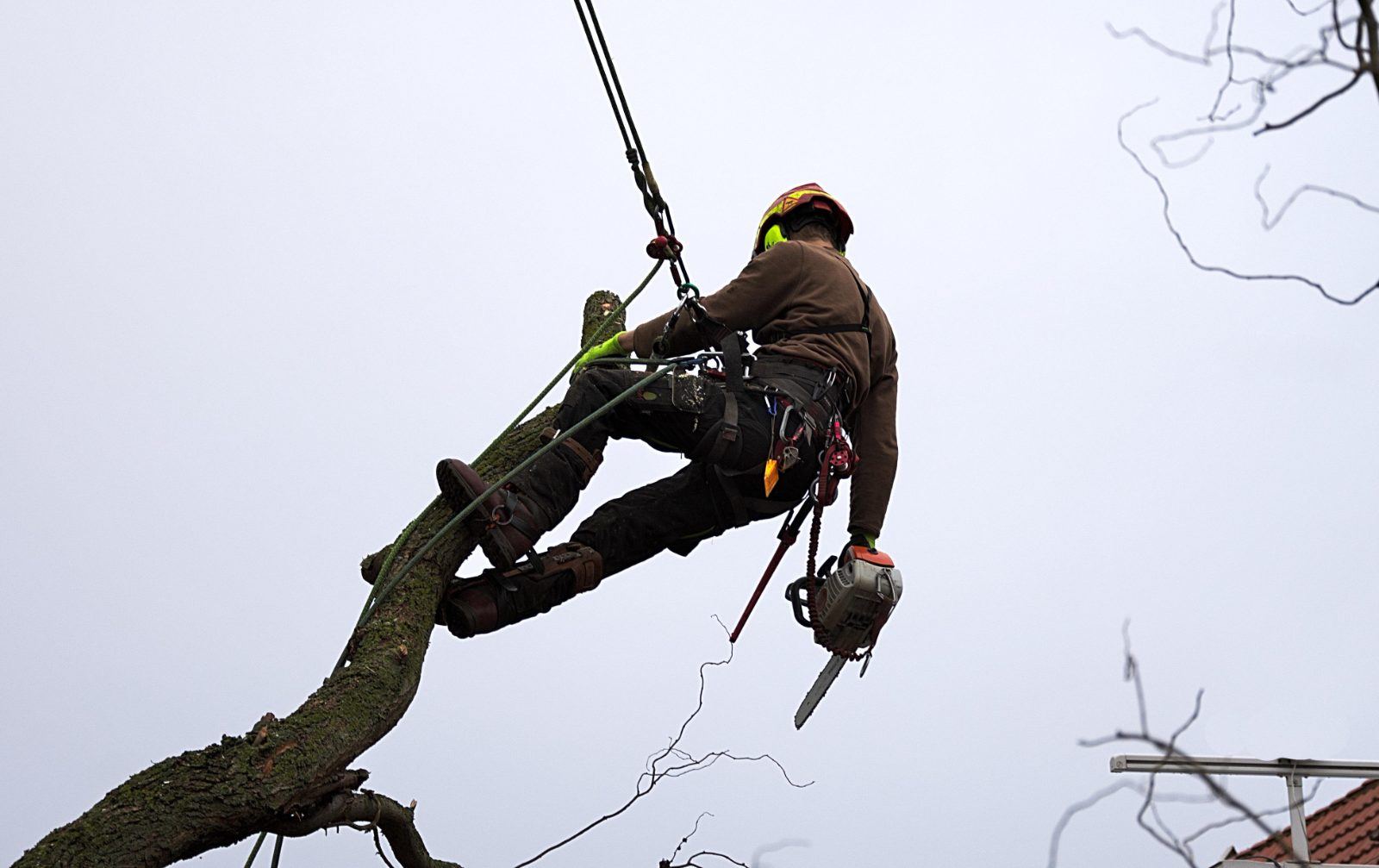
Tree Health Inspections in Niagara
Not sure why your tree is changing? Start by discussing the signs you have noticed.
- Free, no-obligation estimates
- Tree health first
- Local to Niagara
Get a Free Estimate
Tell us about your trees. We usually reply within one business day.
Identify Tree Concerns Before Choosing a Solution
A tree that loses leaves early, develops dead branches or shows unusual changes in bark or growth may be experiencing stress. These signs can have several causes, including environmental conditions, root disturbance, pests, disease or structural damage. Tree Pruning Niagara helps property owners across Niagara, Ontario, discuss visible tree concerns and determine what kind of assessment or care may be appropriate.
A visual inspection can help identify signs that deserve further attention, but not every problem can be diagnosed from appearance alone. Root issues, internal decay and certain diseases may require specialized assessment, testing or monitoring. We explain the limitations of a visual review and can recommend that an appropriately qualified arborist or other specialist investigate when the situation is beyond the scope of routine tree care.
Tree Pruning Niagara Is Proud to Serve Niagara
What a Tree Health Inspection Can Help Identify
The purpose of an inspection is to better understand the concern, identify visible signs and determine sensible next steps rather than guess at a diagnosis.
Changes in Leaf Colour or Density
Yellowing leaves, early leaf drop, sparse foliage and uneven growth can indicate stress. Weather, soil moisture, root conditions and pests may all contribute, so the pattern and timing of the symptoms matter.
Dead or Dying Branches
Dead branches may develop naturally in some circumstances, but widespread dieback or rapid changes can signal a problem. The distribution of affected branches and the tree's overall condition help determine whether additional assessment is warranted.
Bark and Trunk Changes
Cracks, wounds, cavities, peeling bark and fungal growth may require closer examination. Some visible features are harmless, while others can be associated with decay or structural concerns.
Pest and Disease Symptoms
Unusual leaf markings, holes, cankers, oozing or changes in bark may be associated with insects, pathogens or other stressors. Accurate identification is important before deciding whether treatment is appropriate.
Structural Concerns
Leaning, split unions, large cavities and damaged roots may affect a tree's stability. When there is a potential risk to people or property, a qualified tree risk assessor or arborist may need to carry out a more detailed assessment.
Tree Health Inspection Cost Estimates in Niagara
| Service | Estimated Cost | Average |
|---|---|---|
| Basic visual tree review | CAD $100–$250 | CAD $175 |
| Detailed individual tree assessment | CAD $200–$500 | CAD $350 |
| Assessment of several trees | CAD $300–$800+ | CAD $500 |
| Specialist report or advanced diagnosis | CAD $400–$1,500+ | CAD $800 |
These are typical planning ranges, not a quote. The level of assessment, number of trees, travel, testing, written reporting and specialist qualifications required can affect fees. A formal arborist report, laboratory testing or advanced diagnostic work may need to be arranged separately.
Why Choose Us for Tree Health Inspection?
Start with what you observe
We listen to your concerns and consider when symptoms appeared, whether they are spreading and what has changed around the tree.
Avoid guesswork
Visible symptoms can have different causes. We distinguish between general observations and issues that require a more specialized diagnosis.
Consider the whole site
Drainage, soil disturbance, construction, nearby plants and recent weather can all influence tree condition.
Clear next steps
We explain whether monitoring, pruning, further investigation or another type of professional assessment may be appropriate.
Contact Us Today for a Free Estimate
Notice unusual growth, dead branches or changes in your tree? Describe the symptoms and request a discussion about an appropriate assessment.
Free — no obligations
Our Tree Health Inspection Process
Explain the symptoms
Describe the species if known, when you first noticed changes, and whether the tree is close to buildings, paths or other frequently used areas.
Review visible conditions
Consider the canopy, branches, trunk, visible root area and the surrounding site for signs relevant to the concern.
Discuss possible explanations
Review what the visible signs may indicate while making clear when a definitive diagnosis cannot be established from a visual review.
Identify suitable next steps
Discuss monitoring, appropriate tree care or referral for specialist assessment, depending on the findings and level of concern.
Plan follow-up if needed
Where ongoing observation is useful, discuss which changes to watch for and when another assessment may be appropriate.